By
Introduction
Poker is a game woven from mathematical probability, psychological insight, and social drama. Its appeal stretches from smoke-filled saloons of the Wild West to televised tournaments and bustling digital lobbies. Yet, at its heart, poker is more than shuffled cards; it is a dance of decision-making, strategic adaptation, and human connection. Millions are captivated by the challenge and unpredictability of poker each year, but few realize just how subtle, dynamic, and sophisticated this classic game has become. This article explores the multifaceted world of poker, showcasing its origins, evolution, internal logic, and the lessons it imparts both at and away from the table.
The Origins and Evolution of Poker
Poker’s roots reveal a rich tapestry of travel, fusion, and reinvention.
A Global Journey
-
Emerging in 19th-century America, poker evolved from earlier games like the French “poque” and Persian “as nas.”
-
Riverboats, gold rush towns, and urban clubs shaped poker’s character as a game of risk, bluffs, and bravado.
-
The 20th century saw poker formalized into the variety of games known today—most famously Texas Hold’em, Omaha, Seven Card Stud, and Draw Poker.
Poker in Pop Culture
-
Classic films and novels immortalize the poker table as a place of tension, cunning, and camaraderie.
-
Live tournaments, online platforms, and televised coverage have fuelled a massive surge in global participation and professionalization.
The Game Mechanics: How Poker Works
Poker is both elegantly simple and endlessly complex, challenging players’ minds and instincts.
The Fundamentals
-
Players are dealt cards and place bets in turn, building a central pot.
-
The object: construct the best five-card hand, or persuade others to fold superior cards through betting and bluffing.
-
Winning hinges equally on odds calculation, observation, and tactical betting.
Variants and Options
-
Texas Hold’em is the most popular version, featuring community cards and dramatic betting rounds.
-
Omaha, Stud, and more offer alternative formats—each with subtle differences, demanding new strategic perspectives.
Strategy and Skill: The Heart of Poker Mastery
Poker is a contest where psychology and logic intertwine each hand.
Mathematical Reasoning
-
Pot odds, implied odds, and expected value are the foundations of clever betting decisions.
-
Knowledge of probability guides when to hold, fold, raise, or bluff.
The Psychology of Play
-
Reading “tells”—subtle habits, hesitations, and betting patterns—yields insights into opponents’ hands and intentions.
-
Bluffing is an art form: the ability to mislead or project strength can be just as valuable as a strong hand.
Emotional Discipline
-
The best players maintain composure through wins, losses, and swings of fortune.
-
Managing tilt—emotional reactions leading to poor decisions—is key to long-term success.
The Community and Culture of Poker
Poker tables foster fellowship, rivalry, and profound moments of connection.
Social Dynamics
-
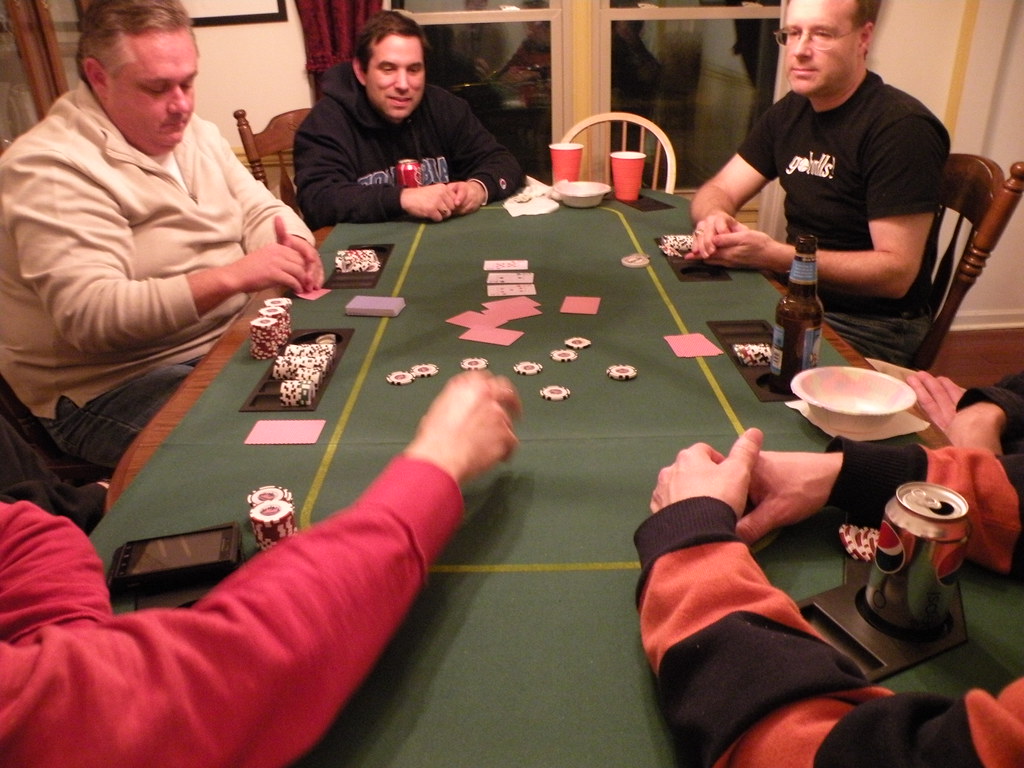
Casual home games invite laughter, storytelling, and shared experience.
-
Poker clubs, live tournaments, and online play unite people from all walks of life in friendly—or fierce—competition.
Professional Circuit
-
Many aspire to climb from amateur contests to World Series of Poker fame.
-
The journey from casual player to pro is marked by study, discipline, and a touch of daring.
Technology and the Digital Poker Boom
The arrival of online poker has transformed accessibility, gameplay, and culture.
Online Innovations
-
Players compete from home, engaging with global opponents via video, chat, and customizable avatars.
-
Tutorials, statistics, and analytical tools provide real-time feedback, tailoring lessons to individual strengths and weaknesses.
Security and Fairness
-
Licensed sites employ encryption and fair game certification for trustworthy play.
-
Automated features keep games efficient, transparent, and welcoming for all skill levels.
Responsible Play and Wisdom
Poker’s test is not only in waging chips, but in maintaining insight and balance.
Managing Risk
-
Proper bankroll management sets betting limits and guards against rash decisions.
-
Recognizing when to walk away—after wins or losses—preserves wellbeing and enjoyment.
Personal Growth
-
Poker teaches patience, adaptability, and observation—skills that enrich life beyond gaming.
Conclusion
Poker is a stage for intellect, creativity, and social engagement—a place where chance and strategy intermingle in exhilarating harmony. Its continued popularity reflects not just fortune, but the enduring fascination with risk, reward, and the human mind. Whether you’re a novice, hobbyist, or aspiring champion, poker invites you to learn, adapt, and connect—in pursuit of both victory and wisdom.