By
Introduction
Poker is not merely a card game—it is a celebration of intellect, psychology, risk, and social artistry. From smoky backrooms of yesteryear to the blazing lights of televised tournaments and digital tables, poker has journeyed through history as both pastime and profession. Its allure lies in its elegant rules set against boundless strategic depth, demanding equal parts calculation and bravado. To play poker is to enter a contest of wit, will, and subtle observation—where each hand signals an opportunity as much as a challenge. This article explores the heart and evolution of poker, revealing why its popularity endures, how it continues to shape lives, and what wisdom it imparts to those who play.
The Historical Tapestry of Poker
Poker’s beginnings are as intricate as the game itself—a blend of cultures and invention.
A Tale of Transmission
-
Rooted in centuries-old French (“poque”), Persian (“as nas”), and German (“pochen”) games, poker took on its modern form in 19th-century America.
-
Riverboat gamblers, adventurers, and frontier regulars made poker a staple of social life, refining the rules and introducing bluff and bet as hallmarks.
-
The game spread rapidly, adapting through regional house rules to become the diverse set of variants enjoyed today.
Poker in Popular Imagination
-
Classic literature and films showcase poker’s drama, highlighting the psychological tension and courage involved.
-
Televised tournaments and online gameplay have turned poker into a global spectacle, inspiring legions of casual and professional players.
The Anatomy of Poker: Hands, Rounds, and Risk
Poker’s enduring excitement springs from clear structure—layered with infinite possibility.
Game Mechanics
-
Players receive cards, wager chips, and vie for the “pot”—the collective bets at stake each round.
-
Most poker forms, especially Texas Hold’em, combine personal “hole” cards with community cards to build the best five-card hand.
-
Betting rounds punctuate play, inviting strategy: bet, check, raise, call, or fold.
The Power of Bluff
-
Victory often comes not just from cards, but from convincing others to fold better hands or misread one’s intentions.
-
Bluffing, misdirection, and reading subtle “tells” create added dimensions of suspense and skill.
Strategy: Calculating Odds, Reading Minds
Poker rewards those who combine math, observation, and adaptability.
Mathematical Thinking
-
Pot odds, expected value, and probability guide optimal betting and decision-making.
-
Statistical analysis and memorization of hand rankings minimize luck and elevate skill.
Psychological Acumen
-
Successful poker players observe opponents’ behavior, betting patterns, and emotional cues.
-
Recognizing patterns and adapting quickly is essential, whether facing seasoned pros or unpredictable amateurs.
Emotional Discipline
-
Managing excitement, frustration, and “tilt” (emotional play) separates disciplined players from those at the mercy of luck.
-
Proper bankroll management ensures longevity, protecting against destructive bursts of optimism or despair.
The Sociocultural Magic of Poker
More than competition, poker is a tapestry of interaction, tradition, and shared experience.
Social Connection
-
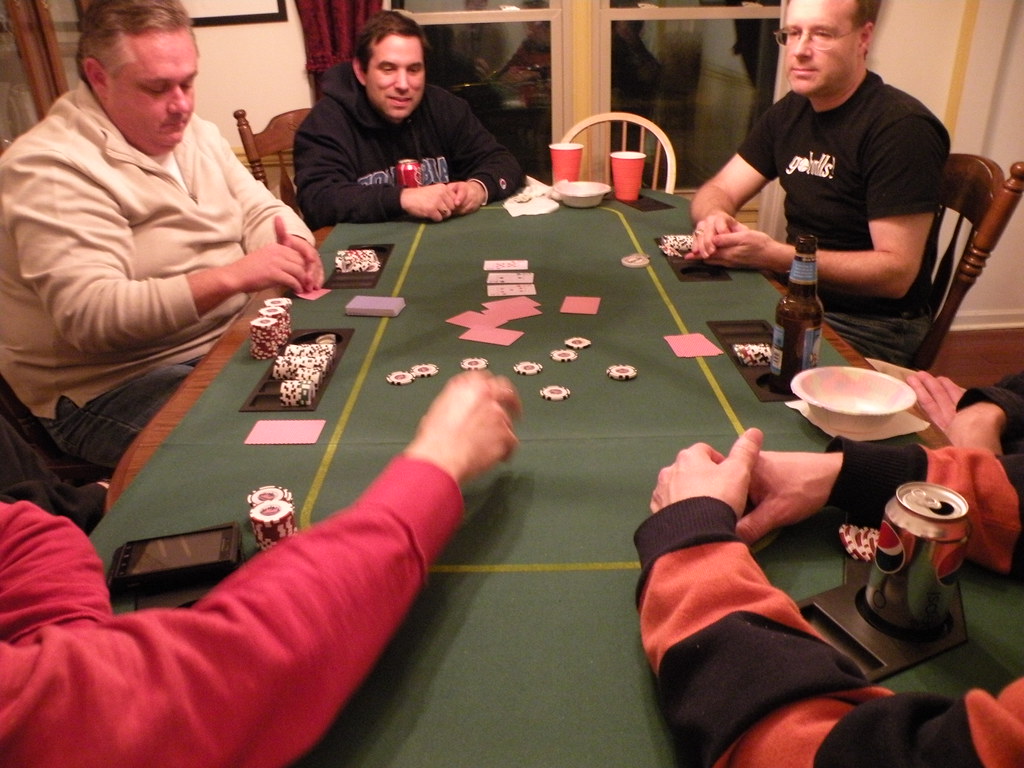
Friendly games forge camaraderie, storytelling, and laughter—making poker a fixture at gatherings and celebrations.
-
Tournaments, online rooms, and poker clubs unite enthusiasts across borders, backgrounds, and skill levels.
The Rise of the Professional Circuit
-
Millions now compete in structured events—from small-town “freezeouts” to headline-grabbing championships like the World Series of Poker.
-
The journey from hobbyist to professional demands study, practice, and emotional resilience.
Technology and the Online Poker Boom
Digital platforms have democratized poker, sparking innovation and expanding access.
Online Play Advantages
-
Players enjoy convenience, global opponents, multitabling, and educational tools that personalize skill development.
-
Analytical software and real-time statistics help hone tactics and expose weaknesses, enhancing learning and enjoyment.
Safety and Integrity
-
Licensed sites employ encryption and fair play certification, ensuring trustworthy games.
-
Community guidelines and responsible play tools promote healthy engagement.
Lessons Beyond the Table
Poker sharpens skills that echo through life: patience, decision-making, and empathy.
Personal Growth
-
Regular play improves focus, memory, and adaptability—useful in careers, relationships, and personal development.
-
Learning when to walk away, when to push forward, and how to accept outcomes teaches perspective and resilience.
Conclusion
Poker is timeless—a nexus of intellect, daring, social interplay, and personal discovery. Its resilience is testament to the universal fascination with challenge and unpredictability. Whether played among friends or under the glare of televised lights, poker invites us to risk, reflect, and reconnect with the art of calculating uncertainty.