By
Introduction
Poker is far more than a card game; it is a stage for intellect, observation, resilience, and connection. From its colorful origins in the Old West to its glamorous ascent on global tournament circuits and bustling online rooms, poker tells a timeless story of skill and luck interwoven. Whether played at a kitchen table or under professional lights, poker challenges our cunning, nerve, and capacity for reinvention—always offering another hand, another lesson. This article uncovers the substance behind poker’s enduring popularity, exploring its history, mechanics, tactics, and vibrant culture.
A Storied Past: Poker’s Journey Through Time
Poker’s history is a tapestry of invention, adaptation, and adventure.
Origins and Growth
-
Early iterations of poker likely combined European games such as ‘poque’ (France) and ‘primero’ (Spain), with elements of Persian ‘as nas’ thrown in.
-
Vital to 19th-century American riverboats, poker quickly found fans among gamblers seeking profit and social diversion on the move.
-
As the game spread to saloons, private clubs, and camps, it spawned variants, including Stud, Draw, and the now-iconic Texas Hold’em.
Poker’s Cultural Impact
-
Classic films and novels have cast poker as a metaphor for risk and revelation, personal struggle and triumph.
-
The World Series of Poker (WSOP) and televised tournaments catapulted poker into the mainstream, inspiring millions to study hands, play online, and chase glory.
The Structure and Play of Poker
Poker’s elegant rules hide layers of complexity—every hand is a puzzle and an opportunity.
Game Basics
-
Players vie for “the pot” by constructing the best hand or sometimes simply outmaneuvering their opponents.
-
Hands unfold over rounds: each player can bet, check, raise, call, or fold.
-
Most contemporary games (like Texas Hold’em) use both personal “hole” cards and shared “community” cards to create five-card combinations.
Popular Variants
-
Texas Hold’em: simple rules, deep strategy, and dramatic betting rounds make it the tournament favorite.
-
Omaha, Seven Card Stud, and Five Card Draw offer variety for players, each requiring distinct approaches to bluffing, betting, and reading others.
The Art of Strategy: Beyond Luck
Winning poker demands logic, instinct, and psychological mastery.
Mathematical Foundations
-
Pot odds, probability, and “expected value” inform every move.
-
Memorization of hand rankings and calculation of potential combinations help guide decision-making in high-pressure moments.
Psychology and Bluffing
-
Poker is as much about reading people as reading cards. Observing “tells,” shifts in betting behavior, and emotional cues are crucial.
-
Knowing when and how to bluff—and when to recognize an opponent’s bravado—can turn the tide in any game.
Emotional Discipline
-
Controlling reactions to wins and losses, known as “tilt management,” is key to long-term success.
-
Setting limits and maintaining perspective ensures poker enhances life rather than disrupts it.
The Social, Competitive, and Cultural Dimensions
Poker is inherently social, creating new connections and memories every time cards are dealt.
Poker Nights and Communities
-
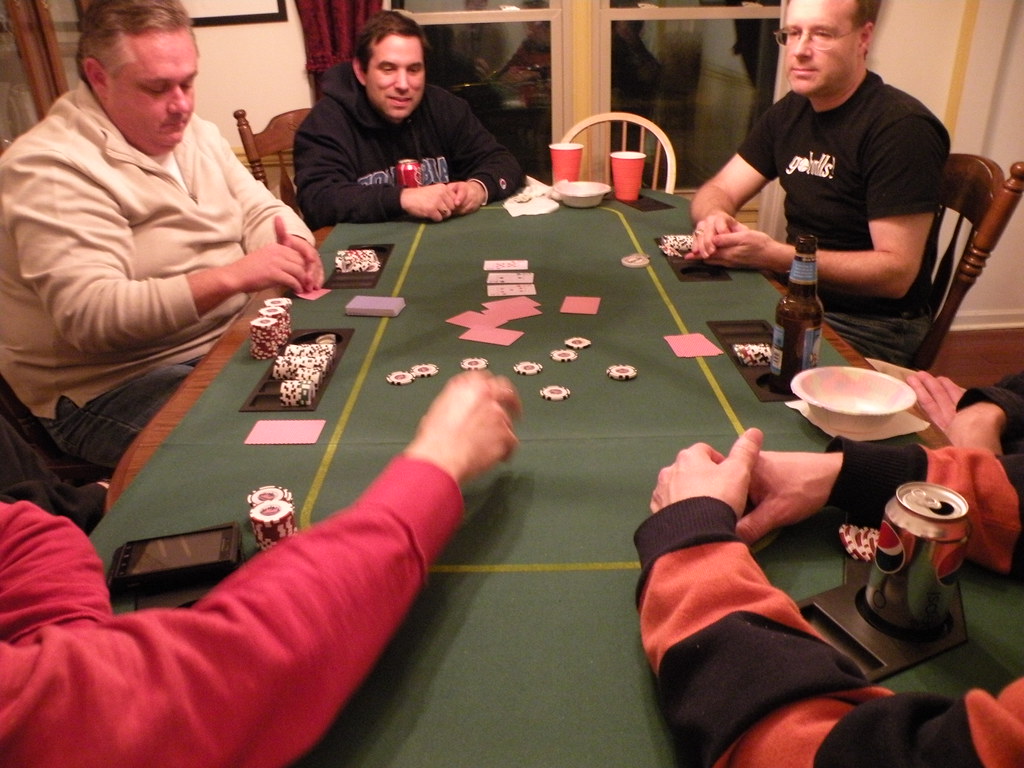
Home games foster friendship, laughter, and shared stories. Table-talk becomes part of the entertainment.
-
Clubs, online forums, and local tournaments unite players, passing on tactics, advice, and encouragement.
The Rise of Pros and Amateurs
-
Both hobbyists and professionals now travel, study, and compete, turning poker into a respected sport and career.
-
Major events and online play have democratized entry, allowing talents to emerge from any background.
Online Poker: Innovation and Accessibility
Technology has expanded poker’s reach and refined play.
Features for the Modern Player
-
Secure, licensed platforms enable instant global competition.
-
Analytical tools, statistics, and tutorials help new players learn and established players sharpen their edge.
Maintaining Integrity
-
Encryption and fair play algorithms ensure honest competition and privacy.
-
Responsible gaming features keep enjoyment at the forefront, supporting balance and self-care.
Poker’s Life Lessons: Wisdom Beyond the Table
Poker offers lessons in risk, adaptation, and patience that resonate beyond gaming.
Personal Growth
-
Playing poker strengthens critical thinking, stress management, and emotional intelligence.
-
Knowing when to fold, take risks, or trust intuition mirrors life’s broader decisions.
Conclusion
Poker endures as a captivating blend of chance and choice, community and self-discovery. Its world welcomes all—those seeking fun, challenge, or a test of will. With each hand, poker reminds us that calculation and serendipity go hand in hand, and that for those willing to learn, adapt, and connect, the magic of the game never fades.